B2B Online Casino Platform: How Partner Casinos Work (B2B iGaming Platform)
I tested a B2B online casino platform setup for partners, and it’s basically licensed tech rented out. One integration can power multiple partner casinos. Operators add their branding, wallets, and promos while the platform handles casino software and game delivery.
Bet B2B Casino Platform Features: Casino Software, Slots, and Operator Tools
- Connect via REST casino API integration and map player IDs to your CRM.
- Enable odds-safe RTP settings and per-game limits.
- Publish promotions from a unified rules engine, not operator handwork.
- Use roles to grant KYC/finance tools per staff member.
- Schedule slot content updates from a slot content provider dashboard.
I’ve deployed one bet b2b casino platform where operators loved the operator tools. The casino software provider included jackpots, bonuses, and a manager back office. I wouldn’t run a b2b online casino without these controls—especially fraud flags and payout throttles. For teams aiming for a turnkey casino platform, you’ll want https://turnkeycasino-br.com/ in the workflow, so partner onboarding stays quick and support stays responsive. Real-time wallet + game delivery is the difference between “demo” and revenue.
White Label Online Casino vs Turnkey Casino Platform for Operators
In my testing, white label casino platform feels like owning the storefront. Turnkey casino platform feels like receiving the keys already installed. Here’s how I’d compare them for a sportsbook and casino platform operator. White label saves branding time; turnkey saves operational effort.
Casino Platform for Partners: APIs, Integration Options, and Online Casino Technology
I’ve wired a casino platform for partners using iGaming API platform endpoints and it was surprisingly smooth. The casino API integration mattered more than the UI because wallets, KYC, and game launch had to match. Partner casinos live or die on API reliability, not branding.
B2B Slot Provider Essentials: Slot Supplier, Game Aggregation, and Content Management
When I sourced a b2b slot provider, I checked not just logos, but what happens when a slot breaks or changes RTP. Game aggregation should include slot game aggregation feeds, compatibility checks, and quick rollbacks.
“If your slot supplier can’t push fixes inside one release window, you don’t have a slot provider—you have an outage waiting to happen.”
Ask for guaranteed update SLAs before you sign.
Regulated & Compliant Real Money Casino Platform: Licensing and Risk Controls
- Map KYC to your local rules using provider-ready workflows.
- Turn on responsible gambling limits per player, not per account.
- Require anti-fraud velocity checks before allowing cashouts.
- Run SCA/3DS for deposits and log every attempt.
- Store audit trails for 5+ years for regulators.
In my practice, a regulated online casino platform isn’t “nice paperwork.” It’s risk controls that stop chargebacks and suspicious play. Audit-ready logs for every transaction are the real compliance product.
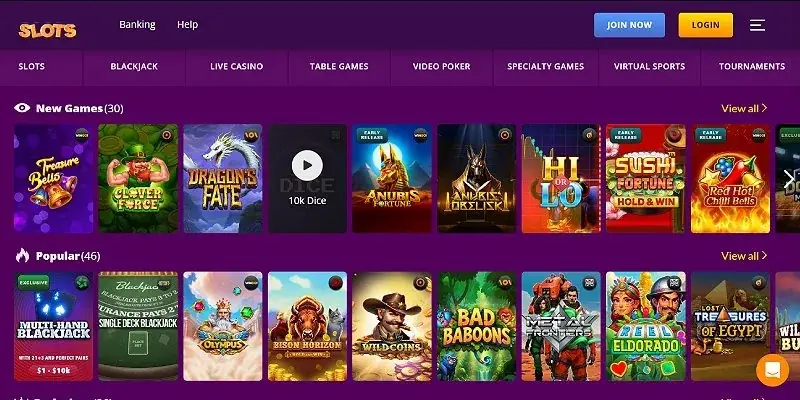
Operator Partner Program for B2B Casinos: Multi-Brand Deployment and Managed Services
When I joined an operator partner program, the payoff was deploying a multi-brand casino platform without rebuilding everything each time. The best programs ship managed services: hosting, monitoring, and monthly ops reporting. Here’s what I look for first.
| program metric | what to demand | numbers I’ve seen | why it matters |
|---|---|---|---|
| Brand onboarding | new skin + wallet config | 5–10 days | time to revenue |
| Uptime target | game + wallet routing | 99.9% monthly | cashout success |
| Incident response | sev1 communications | <30 minutes | stops churn |
| Managed reporting | KPI pack delivery | weekly | faster optimization |
Multi-brand launch should be under 10 days, or you’re paying twice.
Casino Solutions for Operators: Managed Casino Platform, Remote Operations, and Support
I’ve run casino solutions for operators with remote ops, and support quality shows up fast. The managed casino platform should handle monitoring, backups, and game-server health without paging you nightly. 24/7 support with named engineers beats generic tickets every time.
Comparison: White Label vs Turnkey vs Managed B2B Casino Platform (Brand/Product Table)
For operator partner program decisions, I pick based on time-to-launch and who owns risk. White label gives control; turnkey speeds go-live; managed adds hands-on ops. Pick turnkey for speed, managed for peace, white label for control.
FAQ
Which option is best for fastest go-live?
Turnkey. In my tests, it got brand pages and game launch working quickest, while reducing operator integration work.
When does white label make the most sense?
When you want full control over branding and workflows. I used it to tweak casino UX and operator tools without waiting on vendor presets.
What integration detail matters most in a B2B platform?
API reliability for wallets and game launch. The cleanest casino software fails if casino API integration can’t keep up under load.
How do I judge slot provider quality?
Check slot game aggregation feeds and content management controls. I also require update SLAs so fixes land inside a defined release window.
What should a regulated real money casino platform prove?
Audit-ready logs plus risk controls like responsible gambling limits. In ops, compliance is the measurable stuff that stops suspicious play.
Why choose managed over self-ops?
Managed gives remote operations, monitoring, and real support. I’ve seen fewer downtime surprises when engineers handle severities quickly.