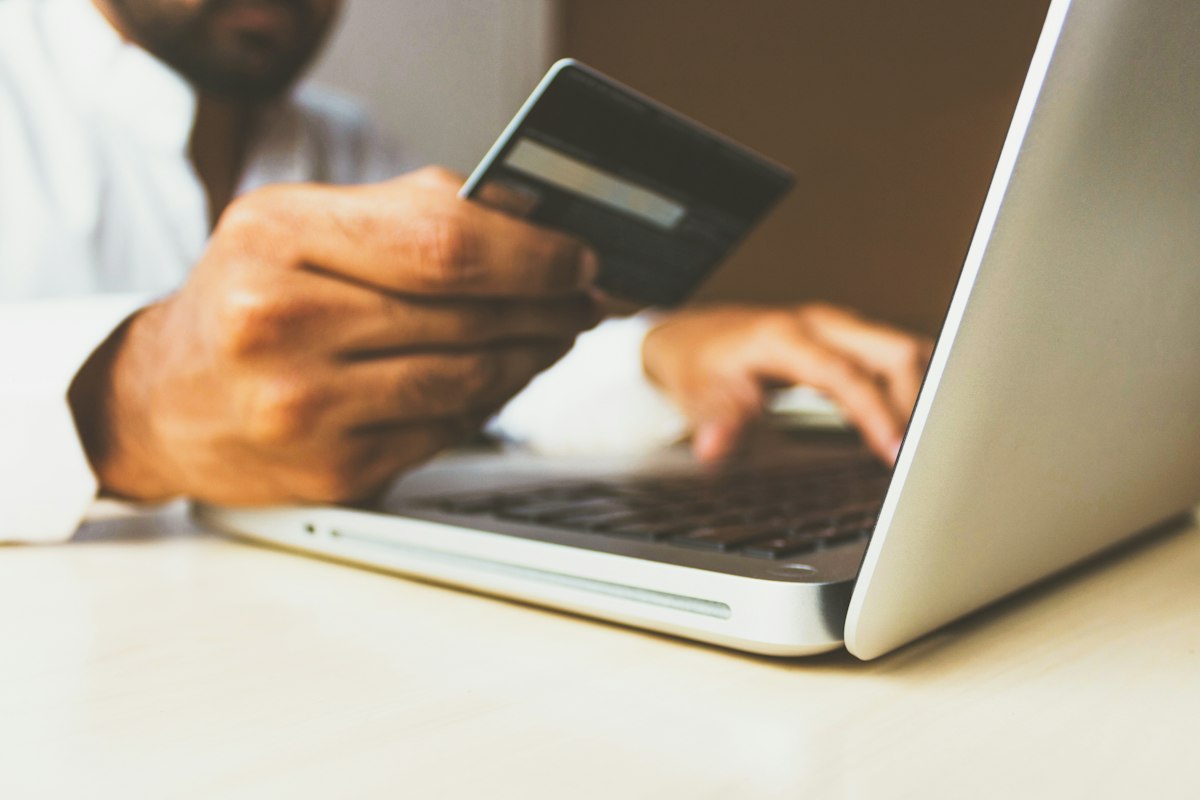
Why Banking Security Matters More Than Ever
Online banking, mobile payments and digital wallets have transformed how we manage money in the UK. But every convenience brings risk. Fraudsters are constantly refining their tactics, from phishing emails to SIM-swapping attacks. Understanding how banks protect your data — and what you can do to help — is essential for anyone who banks, shops or saves online.
At the heart of that protection lies encryption. It is the invisible shield that scrambles your information so that only the intended recipient can read it. Without encryption, every password, sort code and transaction detail would travel across the internet in plain sight.
What Is Encryption and How Does It Work?
Encryption converts readable data (plaintext) into an unreadable format (ciphertext) using a mathematical algorithm and a secret key. Only someone with the correct key can decrypt it back into plaintext. Banks use two main types:
- Symmetric encryption: A single key encrypts and decrypts data. It is fast and ideal for large files, but the key must be shared securely.
- Asymmetric encryption: A public key encrypts data, while a private key decrypts it. This is used for secure key exchange and digital signatures.
Most banking apps combine both methods. When you log in, your device and the bank’s server perform a handshake using asymmetric encryption to agree on a temporary symmetric key. That session key then encrypts everything you do — checking your balance, transferring funds, paying bills — at high speed.
The Role of TLS and HTTPS
You have probably noticed the padlock icon in your browser’s address bar. That indicates Transport Layer Security (TLS), the protocol that secures data in transit. When you visit your bank’s website or use its app, TLS creates an encrypted tunnel between your device and the server. Even if a hacker intercepts the data, it looks like gibberish.
Always check for HTTPS before entering any personal or financial information. Legitimate banks never ask you to log in through an unsecured page. If a link arrives by email or text, navigate to the bank’s official site manually instead of clicking.
How Banks Store Your Data Safely
Encryption does not stop at transmission. Banks also encrypt data at rest — the information stored on their servers. This means that even if a database is stolen, the records remain unreadable without the encryption keys. Many institutions use hardware security modules (HSMs) to manage these keys, keeping them isolated from the main network.
Tokenisation is another layer. Instead of storing your actual card number, banks replace it with a unique token. If that token is compromised, it cannot be used to make fraudulent purchases. Apple Pay and Google Pay rely heavily on tokenisation.
Multi-Factor Authentication: Your First Line of Defence
Strong encryption is useless if someone steals your password. That is why UK banks now require multi-factor authentication (MFA) for online payments and logins. MFA combines something you know (password), something you have (phone or card reader) and something you are (fingerprint or face ID).
Under Strong Customer Authentication (SCA) rules, most electronic payments in the UK need at least two of these factors. It adds a step, but it dramatically reduces the risk of unauthorised access.
Practical Steps to Protect Yourself
You are not powerless. Follow these habits to keep your accounts secure:
- Use a unique, strong password for every financial account — a password manager helps.
- Enable MFA everywhere it is offered, especially on email and banking apps.
- Keep your phone and computer operating systems updated to patch security flaws.
- Avoid banking on public Wi-Fi unless you use a trusted VPN.
- Monitor your statements regularly and report suspicious transactions immediately.
- Never share one-time passcodes or PINs with anyone, even if they claim to be from your bank.
What to Do If Something Goes Wrong
If you suspect fraud, contact your bank straight away using the number on the back of your card or its official app. In the UK, you can also report to Action Fraud. Many banks offer a 24/7 fraud hotline. Quick action improves your chances of recovering funds, as most banks will refund unauthorised transactions under the Payment Services Regulations — provided you were not negligent.
Remember that encryption and security protocols are constantly evolving. Banks invest heavily in research and development to stay ahead of criminals. Your awareness and caution are the perfect complement to that technology.
The Bottom Line
Banking security is a partnership between financial institutions and customers. Encryption, TLS, tokenisation and MFA form a formidable barrier, but they work best when you practise good digital hygiene. Stay informed, stay sceptical of unsolicited messages, and always verify before you click. Your money deserves nothing less.